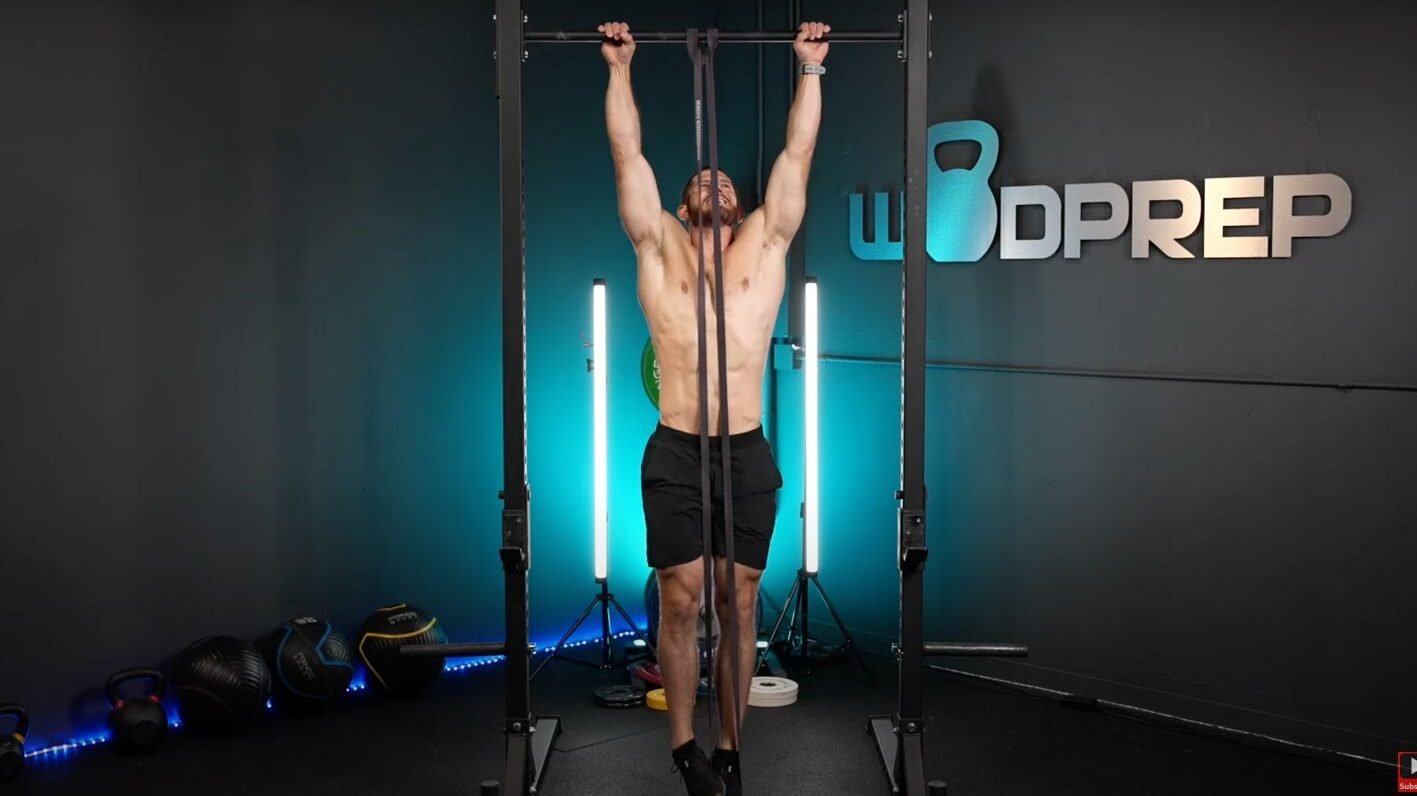
Recovery after an injury or surgery often requires a careful balance between movement and support. Strength must be rebuilt gradually to avoid re-injury while restoring confidence in everyday movements. This is where pull-up resistance bands play an important role in physical therapy and rehabilitation. Their ability to provide adjustable assistance makes them a safe and effective tool for patients at different stages of recovery.
Pull-Up Resistance Bands as a Safe Rehab Tool
One of the biggest challenges in physical therapy is controlling load. Muscles and joints that are healing cannot handle full bodyweight stress immediately. Pull-up resistance bands reduce the effective load on the upper body, allowing patients to perform controlled pulling movements without excessive strain. Therapists can select bands based on the patient’s strength level, ensuring exercises remain both challenging and safe.
Additionally, bands promote smooth and guided motion. This is especially important during rehab, where jerky or uncontrolled movements can slow healing. The elastic tension supports the movement throughout the entire range, encouraging proper muscle activation and coordination.
Gradual Strength Building with Pull Up Resist Support
Rehabilitation is all about progression. Pull up resist bands allow patients to start with high assistance and gradually move toward less support as strength improves. This gradual reduction in assistance mirrors the natural recovery process and helps rebuild muscle fibers, tendons, and stabilizing muscles over time.
For individuals recovering from shoulder, elbow, or back injuries, assisted pull-up movements can improve functional strength. These movements closely resemble daily activities such as lifting, reaching, and pulling, making them highly relevant to real-life recovery goals.
Improving Mobility and Confidence During Rehab
Beyond strength, rehabilitation also focuses on restoring mobility and confidence. Many patients fear re-injury, which can limit effort and slow progress. Pull-up resistance bands provide reassurance by offering consistent support, allowing patients to move more freely without fear of sudden overload.
The bands also help improve joint stability and control. By assisting the movement while still requiring active engagement, patients learn to stabilize their shoulders and core properly. Over time, this leads to better posture, improved range of motion, and enhanced neuromuscular coordination.
Customizable Rehab Programs Using Assist Bands
Another major advantage of pull up resist bands is their versatility. They can be used for a wide range of rehab exercises beyond traditional pull-ups, including assisted rows, scapular retractions, and isometric holds. This flexibility allows therapists to design personalized programs tailored to each patient’s condition and progress.
Because bands are lightweight and portable, patients can also perform prescribed exercises at home. This consistency between clinic sessions and home rehab significantly improves long-term outcomes and speeds up recovery.
Long-Term Recovery and Injury Prevention
As patients regain strength, pull-up resistance bands help bridge the gap between rehabilitation and regular fitness training. Gradually reducing assistance prepares the body for full-load movements while reinforcing proper technique. This transition phase is crucial for preventing future injuries.
In the long term, using assist bands builds resilient muscles and joints, reducing the risk of relapse. When used correctly under professional guidance, they become an essential tool not just for recovery, but for maintaining long-term physical health and functional strength.
